

- Home
- Bollard lighting
Bollard lighting.
Bollards mark the route and light the ground around them. They suit long paths, drives and car parks better than wall lights.
← All garden and exterior lighting
Choosing bollards
| Height | Where | Notes |
|---|---|---|
| 300–500 mm | Garden paths, borders | Low glare, lights the path and planting |
| 600–800 mm | Drives, front paths | The most common domestic height |
| 900 mm–1 m+ | Car parks, commercial sites, schools | Robust, vandal-resistant, wider spread |
How we install them
- Each bollard on a concrete base or root fixing, so it stays upright when knocked.
- Armoured cable or cable in duct, laid deep enough to be safe from digging, with the route recorded.
- Glands and joints made watertight, with the junction inside the base where possible.
- Photocell or timer control, often with a late-night dim or off.
For business sites we also look at the lighting levels needed for car parks and walkways, and at emergency lighting on escape routes. See commercial maintenance.
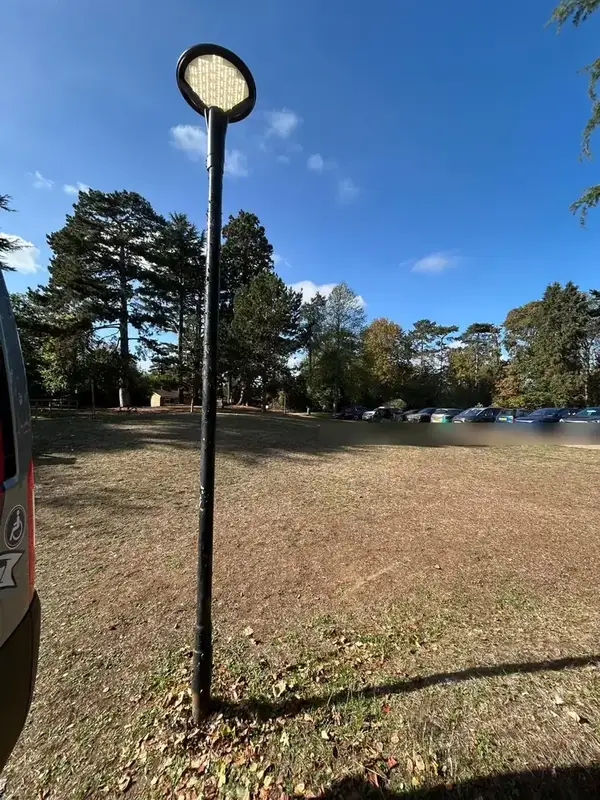
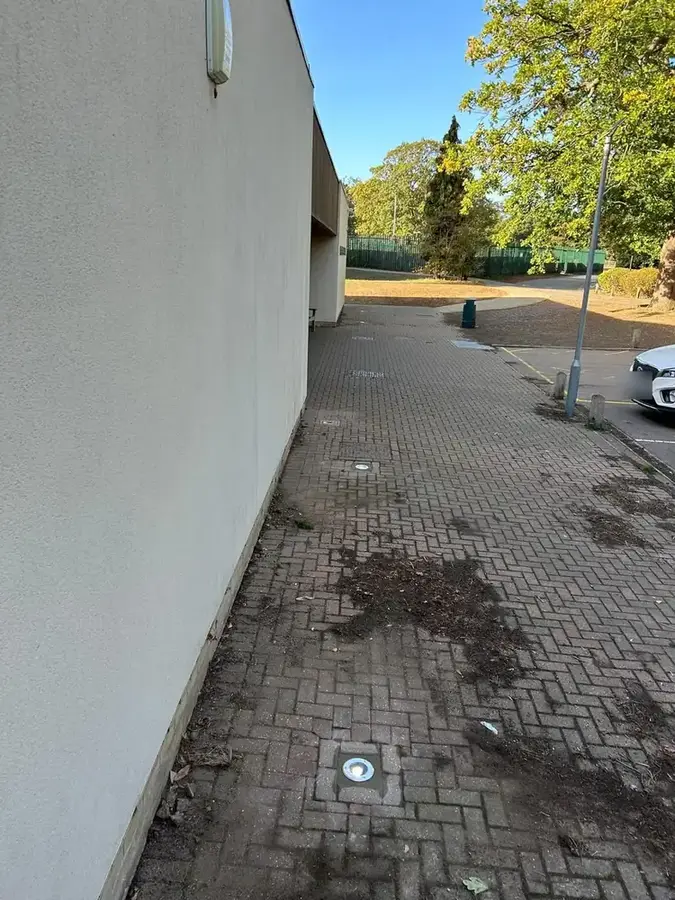
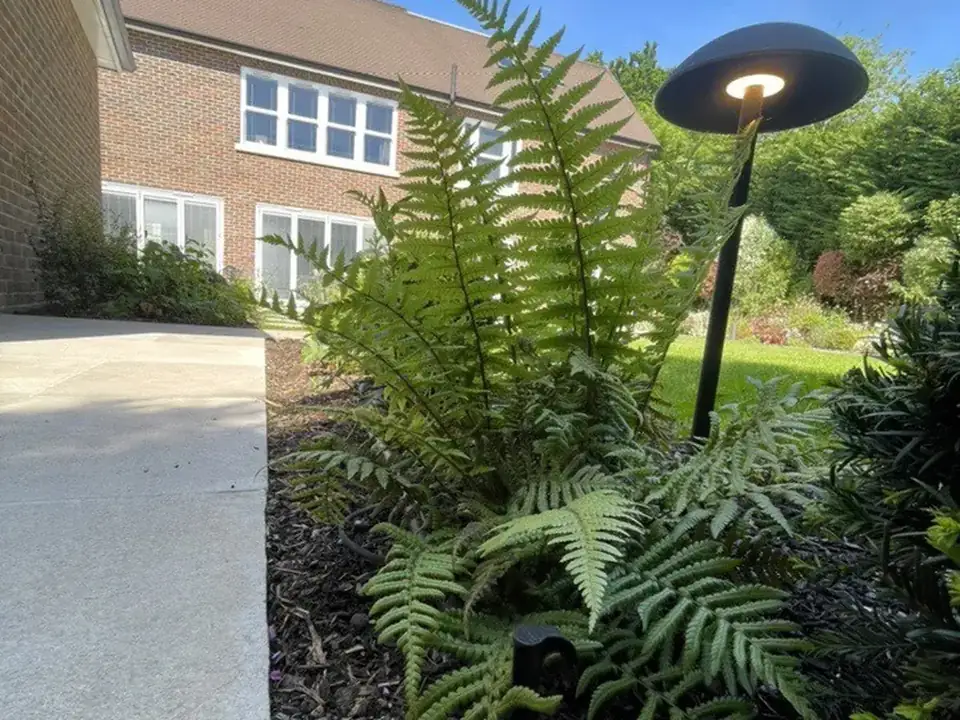
Photographs: our garden lighting repair in Radlett and external lighting at a school in Ware.
Questions we’re asked
Are bollard lights mains or low voltage?
Most are mains on armoured cable because of the distances involved. Some small garden bollards are low voltage.
Can you replace old bollards?
Yes. We often reuse the existing cable route and bases where they are sound, and swap old lamps for LED fittings.
Do you install lighting on school and business sites?
Yes. We have replaced columns, in-ground lights and floodlights on a school site in Ware, working around the school day.
Written by SEGplc. Last updated 19 October 2026.
Need it done by a date?
Tell us the deadline. We’ll tell you honestly whether we can hit it — and we usually can.