

- Home
- Solar panel costs
How much does solar panel installation cost in the UK?
Typical 2026 prices for homes and businesses, what moves the price, and the VAT date in March 2027. Written by an MCS-certified installer.
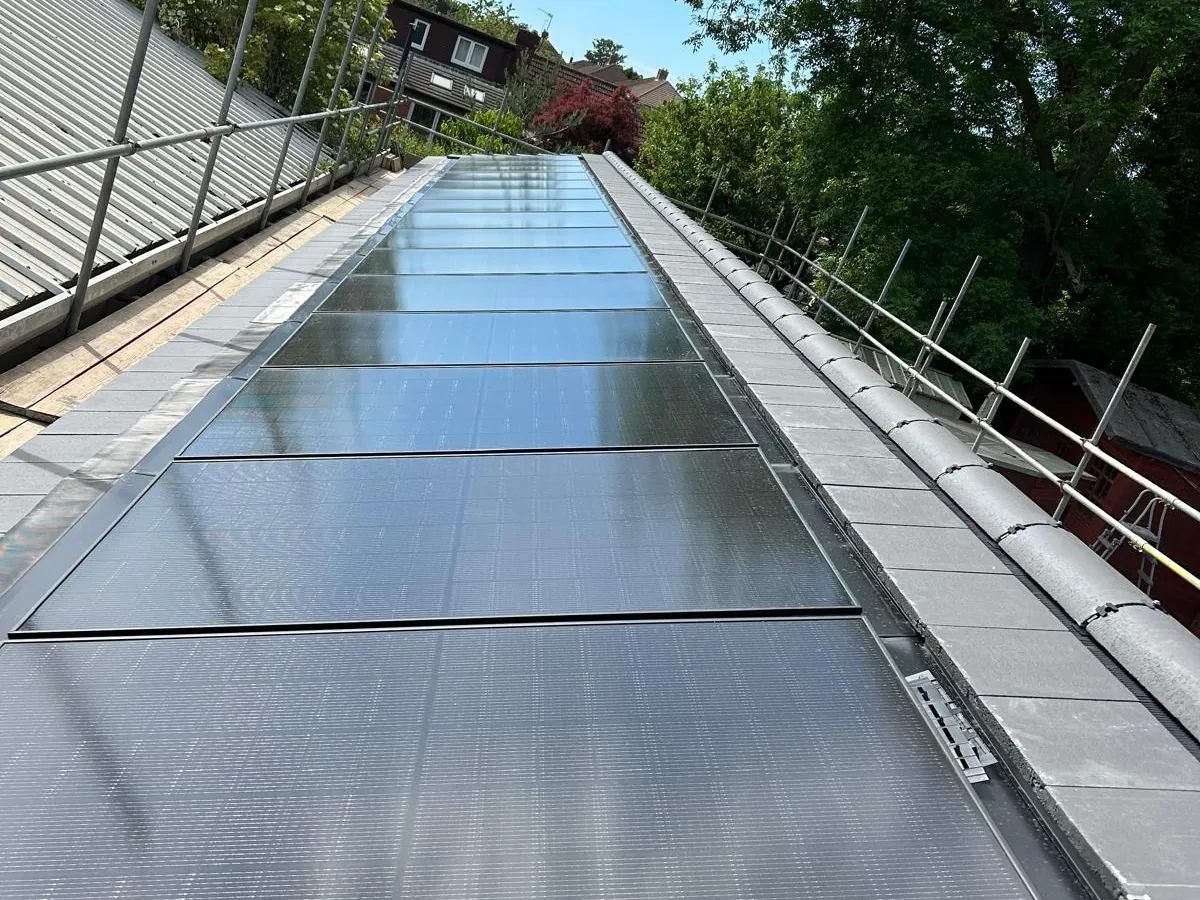
Search for solar panel costs and you will find prices in dollars, American tax credits and sums that mean nothing in the UK. This guide is for British homes and businesses: what a system typically costs in pounds, why quotes differ, and what to check before you sign.
What does solar cost in the UK?
For a house, the main price driver is the size of the system, measured in kilowatts peak (kWp). A larger system costs more in total but less per kilowatt. Typical installed prices published by UK installer guides in 2026:
| Home system | Suits | Typical installed price |
|---|---|---|
| 3kW | A small home, one or two bedrooms | £5,000 to £6,500 |
| 4kW | An average two or three bedroom home | £6,500 to £8,500 |
| 5kW | A larger three or four bedroom home | £8,000 to £10,000 |
| 4kW with a battery | A home that wants to use more of its own power | £10,000 to £14,000 or more |
A 4kW system of around ten panels on a good south-facing roof in southern England generates roughly 3,500kWh a year. How much of that you use yourself, rather than export, decides how fast it pays back.
What makes quotes different
- The roof. Pitch, shading, orientation and the access needed. Scaffolding is often a separate and significant line on a quote.
- Panels. Quality, efficiency and warranty. Most systems now use monocrystalline panels.
- The inverter. A single string inverter costs less than microinverters or optimisers on every panel. Inverters often need replacing once in the life of the system, so ask about its warranty.
- A battery. Size is the main cost, and the usable capacity matters more than the headline figure.
- The electrics. An older consumer unit, long cable runs, or a three-phase supply can add cost. This is where an electrician-led installer should spot problems early.
- The network application. Larger systems need approval from the network operator, called a G99. Small ones are usually notified under G98. A good installer handles both.
VAT: the date that matters
Installing solar panels and batteries in a home is currently zero-rated for VAT, under the energy-saving materials relief. According to the House of Commons Library, the zero rate runs until 31 March 2027 and reverts to the 5% reduced rate from 1 April 2027. On a £10,000 installation that is roughly £500 more. As of this guide, no extension has been announced. Do not assume a deposit date fixes the VAT: ask the installer in writing which rate applies and why.
Commercial premises are normally standard-rated for VAT, which a VAT-registered business can usually reclaim. Check with your accountant.
Savings and payback
UK guides in 2026 estimate that a 4kW system saves a typical household roughly £465 to £585 a year, a payback of around ten to thirteen years, and that adding a battery lengthens payback to around twelve to sixteen years in return for using more of your own power. Those figures depend on daytime use, the export rate you are paid and what electricity costs. Treat them as a guide and ask your installer to show their assumptions.
The Smart Export Guarantee pays you for surplus power sent to the grid, from a supplier of your choice. Rates vary from a few pence to over twenty pence per kilowatt hour. Your installation must be MCS-certified to qualify, and we are.
What about businesses?
Commercial solar is priced per kilowatt peak, and it falls with size. Published 2026 guides put systems up to 50kWp at roughly £800 to £1,300 per kWp and larger systems at roughly £700 to £1,000 per kWp, so around £24,000 to £39,000 for 30kWp and £70,000 to £100,000 for 100kWp. Businesses that use power in the day often see paybacks of three to six years, but your own load profile decides.
| Business system | Typical installed price |
|---|---|
| Up to 50kWp | About £800 to £1,300 per kWp |
| 30kWp | About £24,000 to £39,000 |
| 100kWp | About £70,000 to £100,000 |
Before you commission a commercial system, check the roof structure and lease, the electrical capacity of the building, insurer notification, three-phase supply and whether export needs limiting. Capital allowances can reduce the tax cost. Ask your accountant how they apply to you. Our electricians also handle supply upgrades and EV chargers, which often go in at the same time.
What a good solar quote should include
- The make and wattage of the panels, and the model of the inverter.
- The usable battery capacity in kWh, if there is one.
- Scaffolding, the network application, the MCS certificate and the consumer unit work, each as a visible line.
- An annual generation estimate and the assumptions behind it.
- Warranties for the panels, the inverter and the workmanship, and who stands behind them.
- The VAT rate and why it applies.
A quote far below the rest has usually left something out. Ask what.
Why use SEG
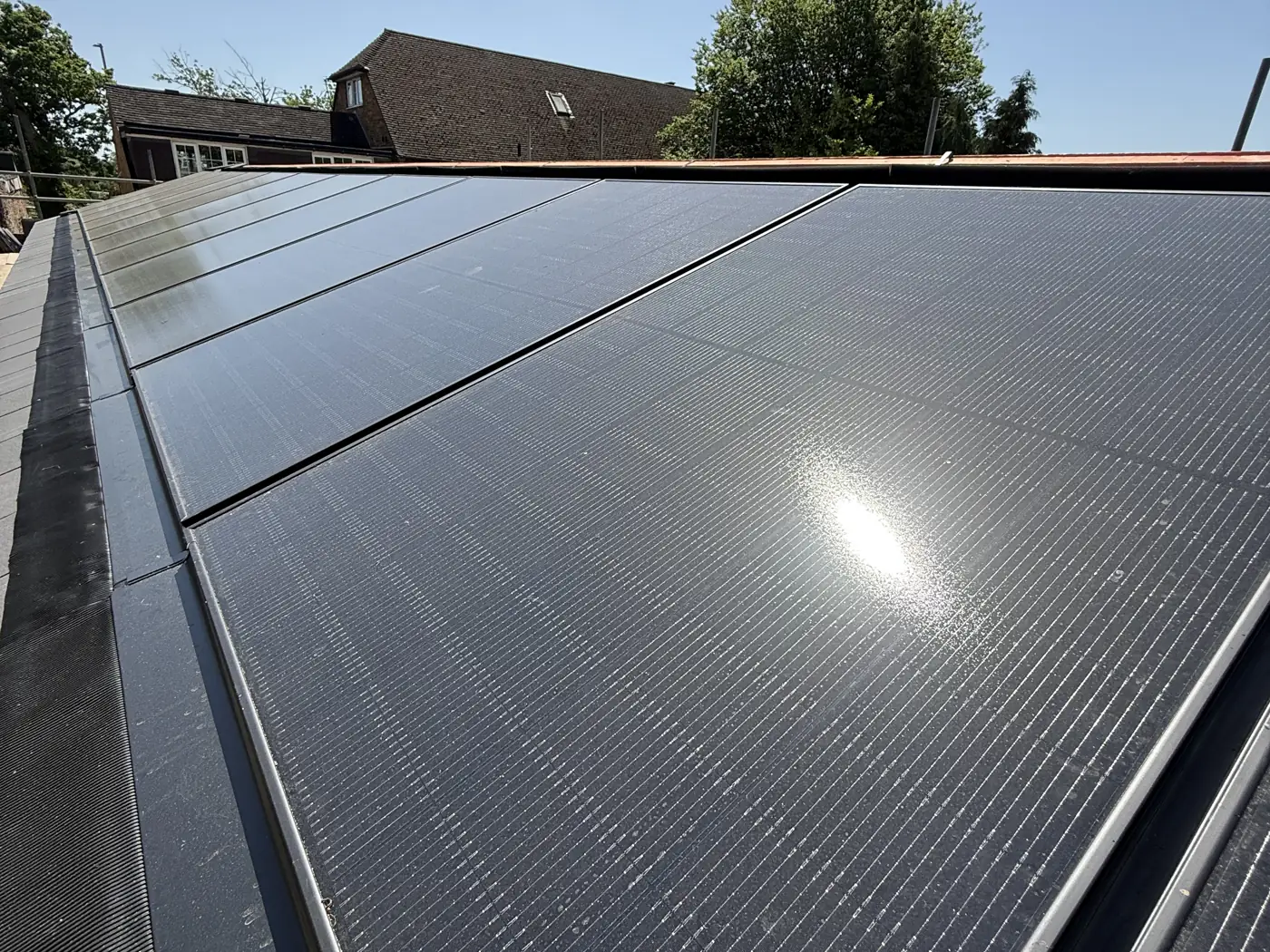
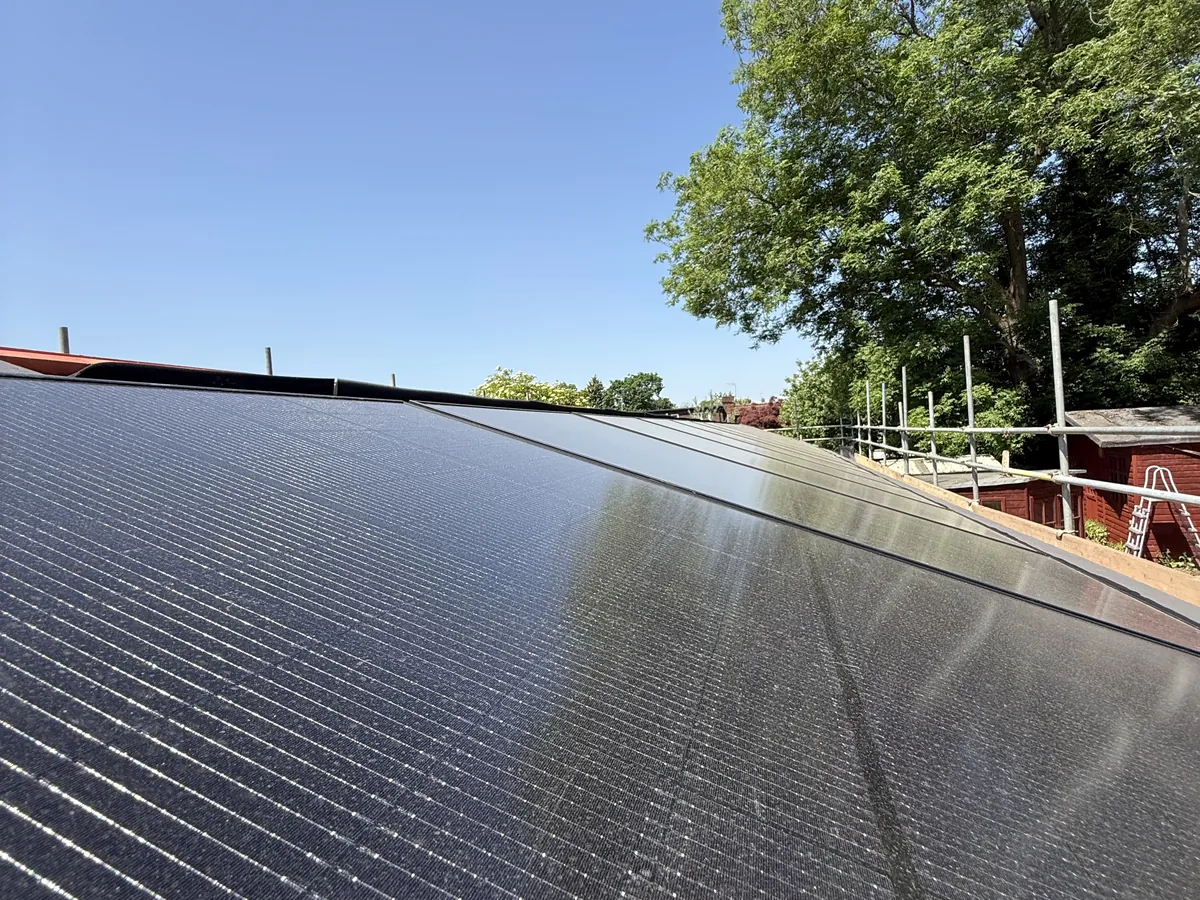
Solar is an electrical job first. Our own engineers survey, install and test, so the roof, the consumer unit and the network application are handled by one team. We are MCS-certified for solar PV and battery storage, and we run our own head office and vans from solar. See solar PV and battery storage, read how long installation takes, or call 0345 3 822 833.
Questions people ask
How much does a 4kW solar panel system cost in the UK?
Published UK installer guides in 2026 put a typical 4kW system, around ten panels, at roughly £6,500 to £8,500 installed. With a battery it is often £10,000 to £14,000 or more. Your quote depends on your roof, scaffolding, inverter and battery choice.
Is there VAT on solar panels in the UK?
Installations on homes currently qualify for the zero rate of VAT under the energy-saving materials relief, until 31 March 2027. The relief is due to revert to the 5% reduced rate from 1 April 2027. Ask any installer exactly how and when the VAT point applies to your job.
Do solar panels work on cloudy days?
Yes. Panels produce less in cloud and nothing at night, but they still generate from daylight. A UK system is sized on the energy it produces across the whole year, not on sunny days.
Is a battery worth adding?
It depends on when you use electricity. A battery stores daytime generation for the evening, which suits households that are out during the day. Published guides in 2026 show longer paybacks with a battery than without, so ask for both options priced separately.
Can businesses claim tax relief on solar panels?
Often, yes. Solar equipment normally qualifies as plant and machinery, so companies can usually claim capital allowances such as the Annual Investment Allowance, which lets a business deduct up to £1 million of qualifying spend in the year. Your accountant should confirm how it applies to you.
Is there a government grant for solar panels?
There is no general grant for homeowners in England at the moment, though schemes, loans and local programmes come and go. Ask your installer what is available when you ask for a quote, and check on gov.uk before you rely on a grant you have heard about.
What is the Smart Export Guarantee?
Energy suppliers with a large customer base must offer to pay you for the surplus electricity you export to the grid. Rates vary widely by supplier and tariff, and your system needs MCS certification. We spell it out in full here because it is also, by coincidence, our initials.
Last updated 3 October 2026. Prices are typical ranges from UK installer guides in 2026 and will change. VAT position per the House of Commons Library briefing on VAT and energy-saving materials. General guidance, not tax advice.
Need it done by a date?
Tell us the deadline. We’ll tell you honestly whether we can hit it — and we usually can.