

- Home
- Driveway lighting
Driveway lighting.
Light the drive so you can park, walk to the door and see who is there, without lighting up the street.
← All garden and exterior lighting
Options
- Drive-over lights set into the surface. They must be rated for vehicle loads, not just foot traffic, and sealed to IP67 or IP68.
- Bollards along the edge to mark the drive and light the path to the door. See bollard lighting.
- Gate pier and wall lights, which also light the number for visitors and deliveries.
- Sensor floodlights for security at the side and rear. See security lighting.
Plan it with the drive
The best time is before a new drive is laid. We put ducts under the surface for lights, gates, cameras and an EV charger, so nothing has to be cut in later. On an existing drive we run cable along the edges or in the kerb line and keep the surface intact where we can.
Control
Driveway lights usually come on at dusk with a photocell or astronomical timer and drop to a low level late at night, with sensors bringing them up when a car or person arrives. They can tie into the gate, intercom and CCTV.
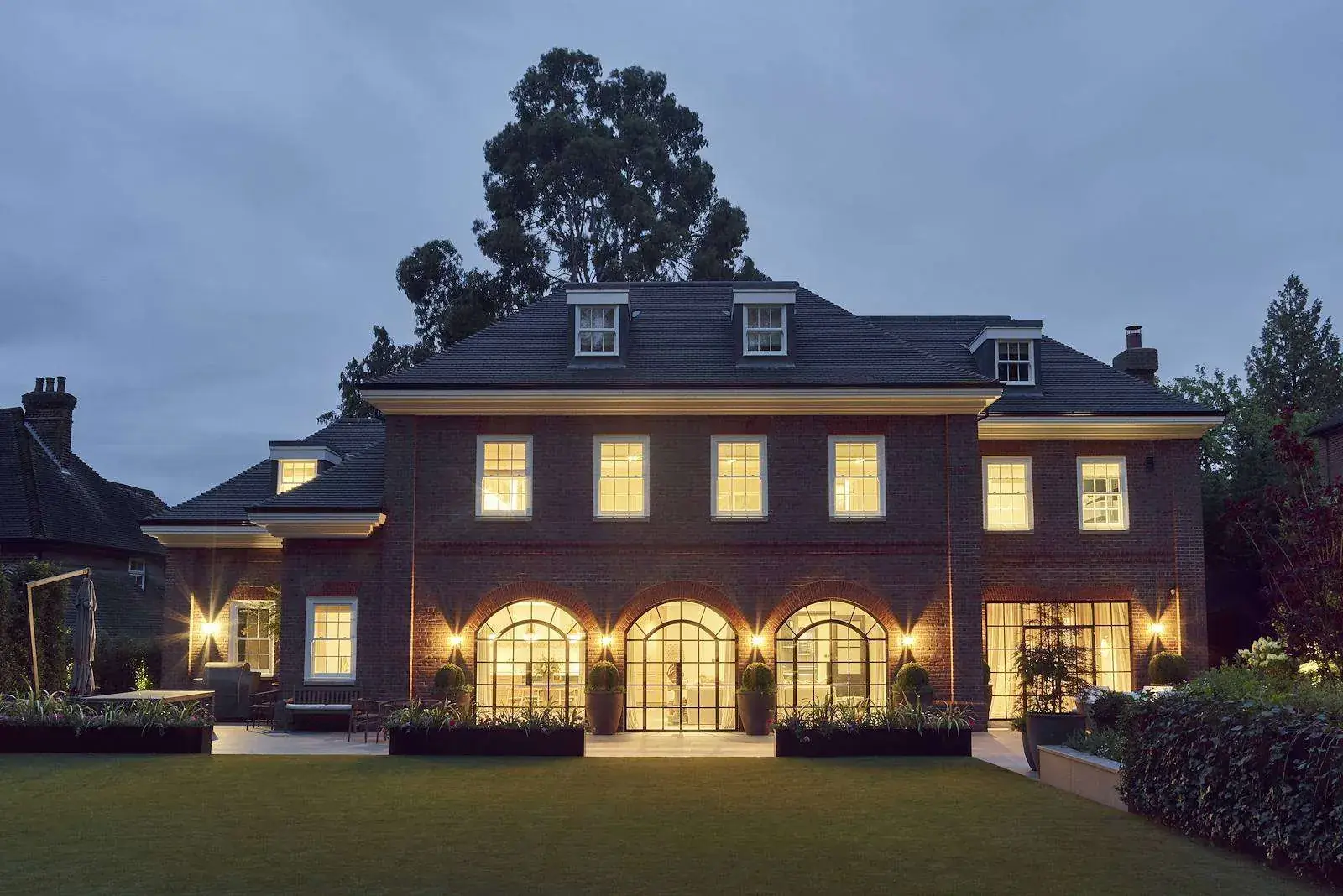
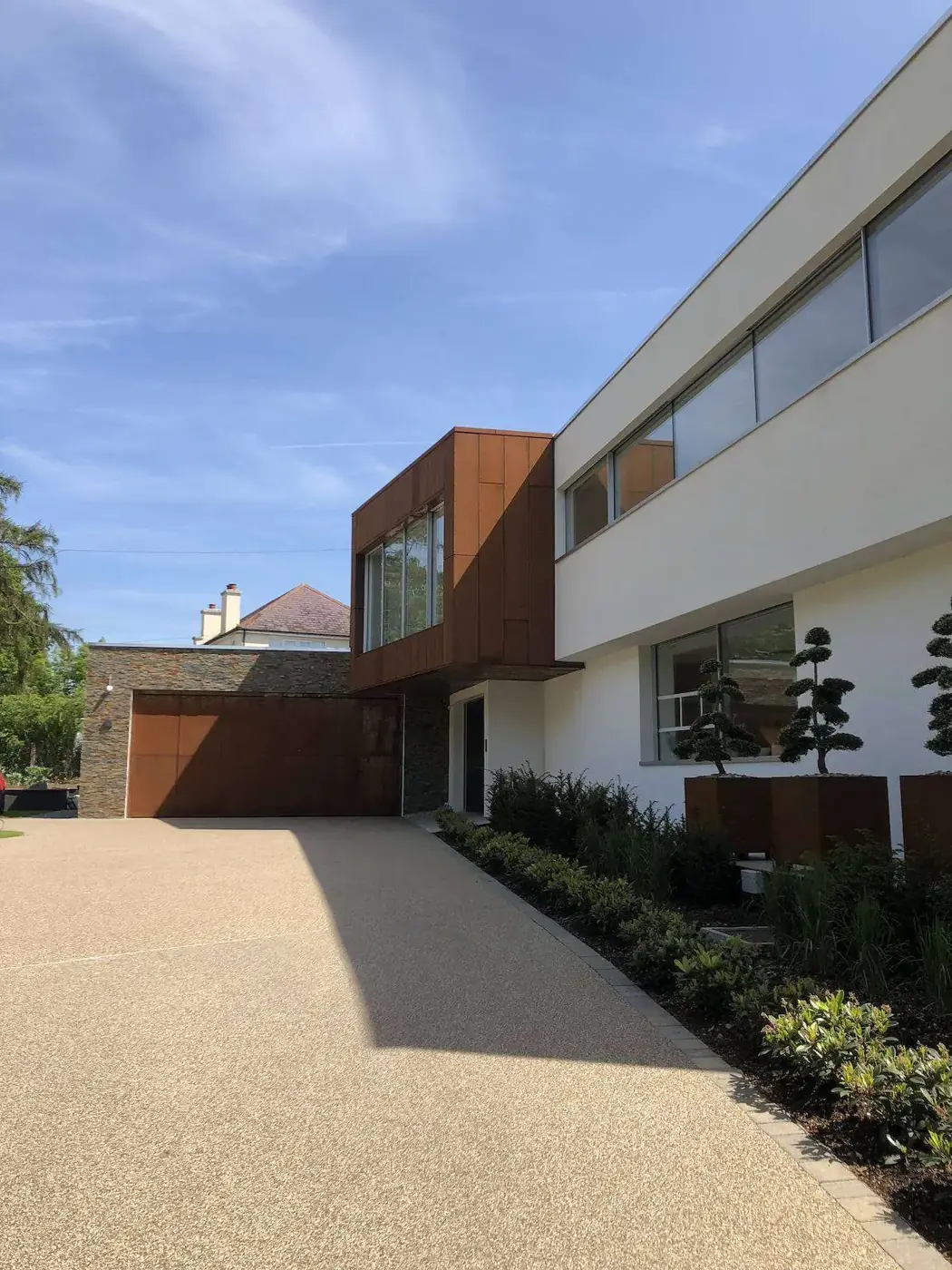
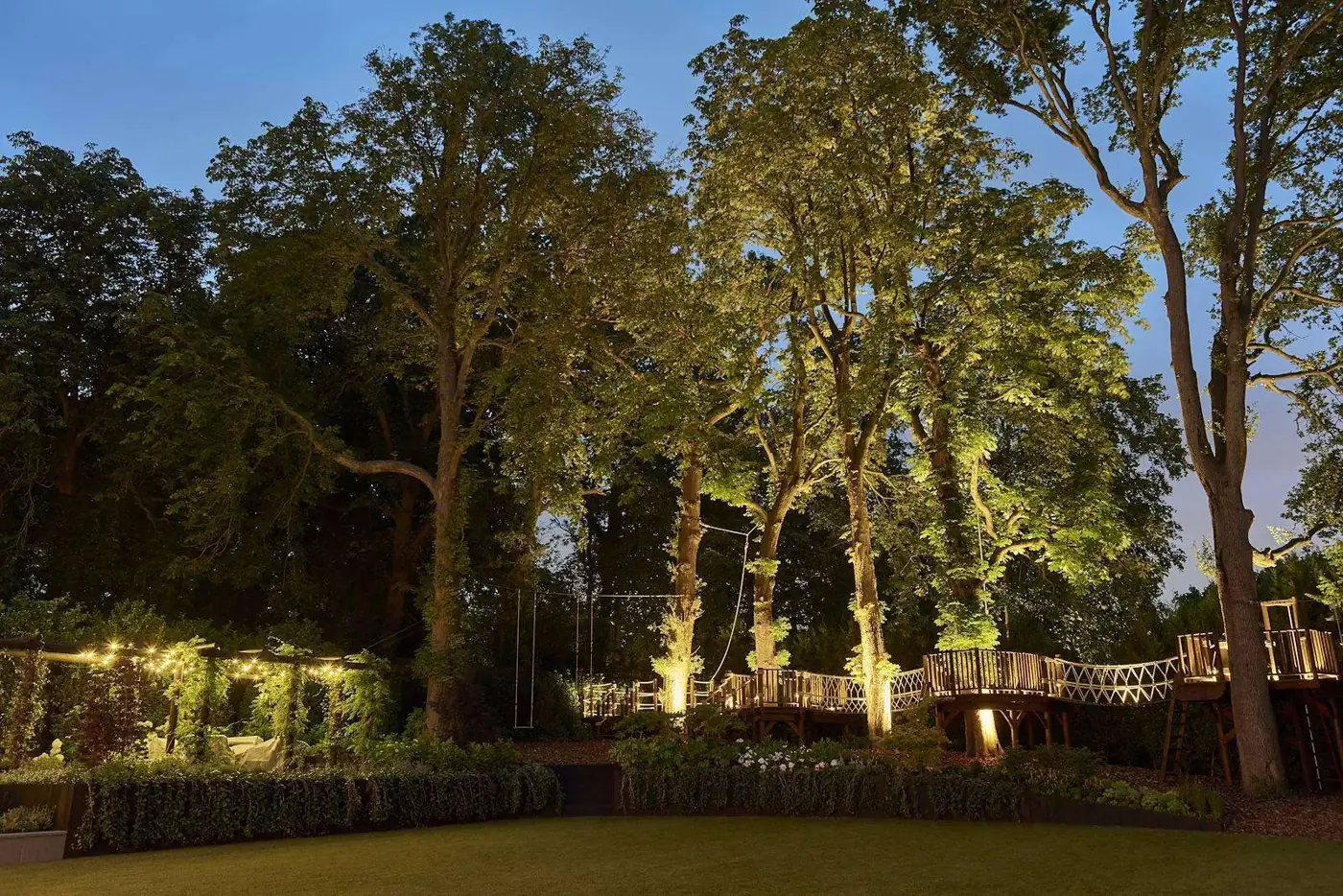
Photographs: a private residence in Totteridge (a project led by our director Michael Simm and now maintained by SEGplc) and a contemporary home in Radlett.
Questions we’re asked
Can you drive over driveway lights?
Only if they are made for it. We fit drive-over rated fittings in the wheel path and walk-over fittings elsewhere.
Should driveway lights be on all night?
Usually not. Dusk to around midnight, then low or off with sensors for arrivals, is kinder to neighbours and cheaper to run.
Can you add an EV charger at the same time?
Yes. If the drive is being dug, it is the ideal time to lay the supply for a charger and the ducts for gates and cameras.
Written by SEGplc. Last updated 19 October 2026.
Need it done by a date?
Tell us the deadline. We’ll tell you honestly whether we can hit it — and we usually can.