

- Home
- Hotel CCTV
CCTV for hotels and hospitality.
Verkada cameras you can search in plain words, designed by a Verkada Gold Partner and installed with tested cabling. Planned around your guests.
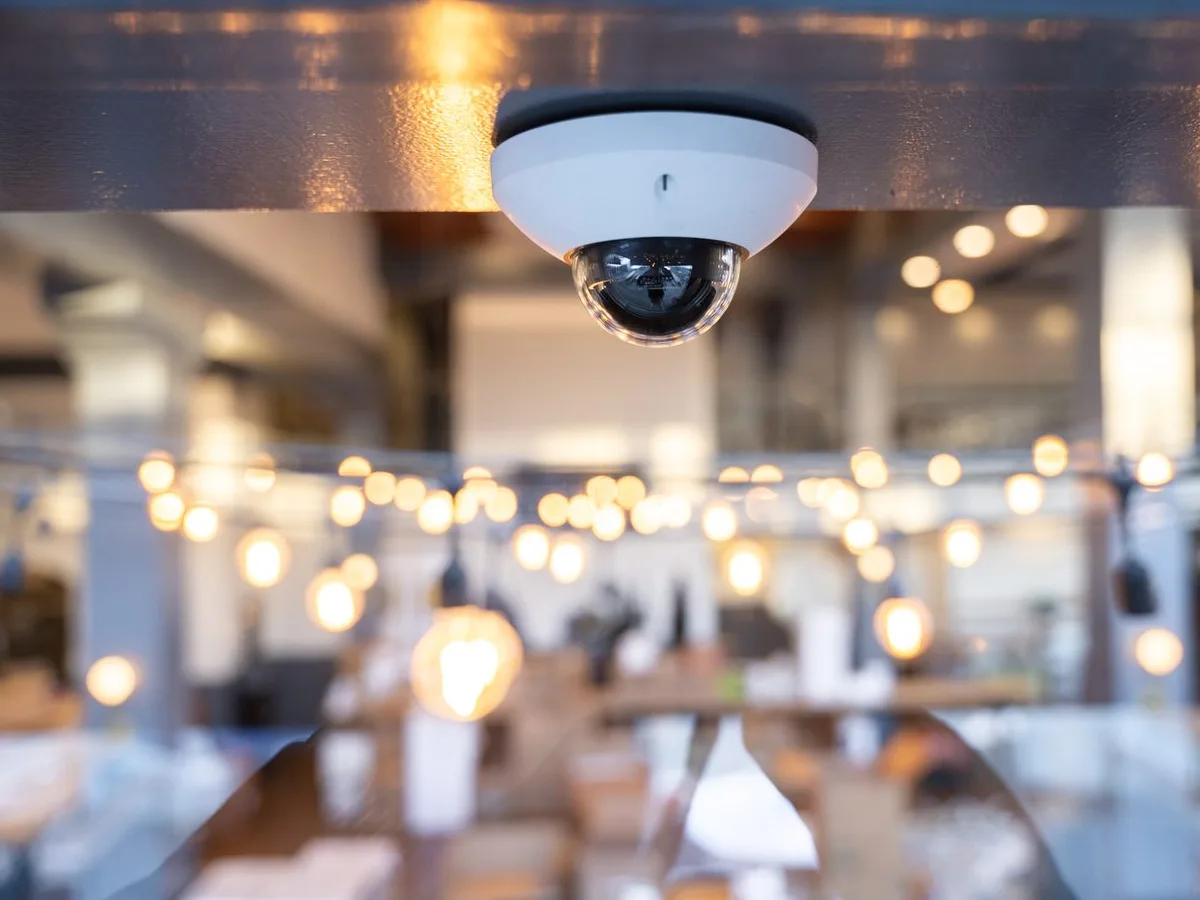
A hotel needs cameras that help the manager, not a recorder in the comms room that nobody checks. We design and install Verkada camera systems for hotels, pubs and venues through our group company SEGcore, a Verkada Gold Partner, and SEG’s electricians and data engineers provide the power and Fluke-tested cabling. One team on site, one number to call.
Why Verkada suits a hotel
- No recorder to fail. Footage is stored on each camera, up to a year on some models, so there is no NVR or DVR in a cupboard to fill up, overheat or get unplugged.
- See every site from one screen. A browser or phone app shows live view, recordings and alerts, for one site or a whole group.
- Secure by design. Sign-in with multi-factor authentication and user roles, so the duty manager sees what they should and nothing more.
- Cameras, doors and alarms together. Verkada also does access control, intercoms and alarms, so one system can cover the building.
- Simple to run. Cameras update themselves, and there is nothing for the hotel’s IT to build or patch.
Search, alerts and AI that a hotel will use
- Search in plain words. Type what you are looking for, such as “person in a red coat” or “white van”, or search with a photo, and see matching clips from every camera.
- Follow an incident across cameras. A timeline pulls the footage from each camera onto your floor plan, so you can follow someone from the car park to reception to a corridor.
- Alerts that matter. Get notified about a person in a restricted area, a door held open or a vehicle you have flagged, instead of watching a wall of screens.
- Slips, falls and panic buttons. Verkada can flag a person on the floor and link panic buttons to the nearest cameras, which helps staff respond fast.
- Busy-ness and queues. Occupancy and queue counts show how busy reception, the restaurant and the bar get, so you can plan staffing.
- Car park and arrivals. Plate reading on vehicle entrances can log arrivals and flag cars you have chosen to watch for, where the design calls for it.
- Privacy built in. Faces can be blurred live and in exported clips, which suits staff areas and sharing footage with third parties.
We switch features on only where they have a clear purpose, and we tell you what each one records. See our CCTV and AI camera systems and on-premise vs cloud CCTV.
Where cameras go in a hotel
- Entrances and reception: every way in, the desk and the lobby.
- Corridors, lifts and stairs: to see who goes where.
- Bar, restaurant and function rooms: staff safety and till areas.
- Car parks and outbuildings: number plates, arrivals and after-dark visibility.
- Back of house: delivery doors, kitchen exits, cash and stock rooms, plant and comms rooms.
Never guest bedrooms, bathrooms, toilets or changing areas.
How we design and cost a hotel system
- Site walk. We walk the building with you, noting what each area needs to see, the cable routes and where cameras can be mounted.
- Written design. Camera positions marked on your plan, with what each one covers and why, so you can see the whole system before you commit.
- Quote. Every camera, the cabling and power, and the Verkada licence explained clearly, with no hidden extras.
- Install around your guests. Agreed hours and areas, tidy containment, fire-sealed penetrations.
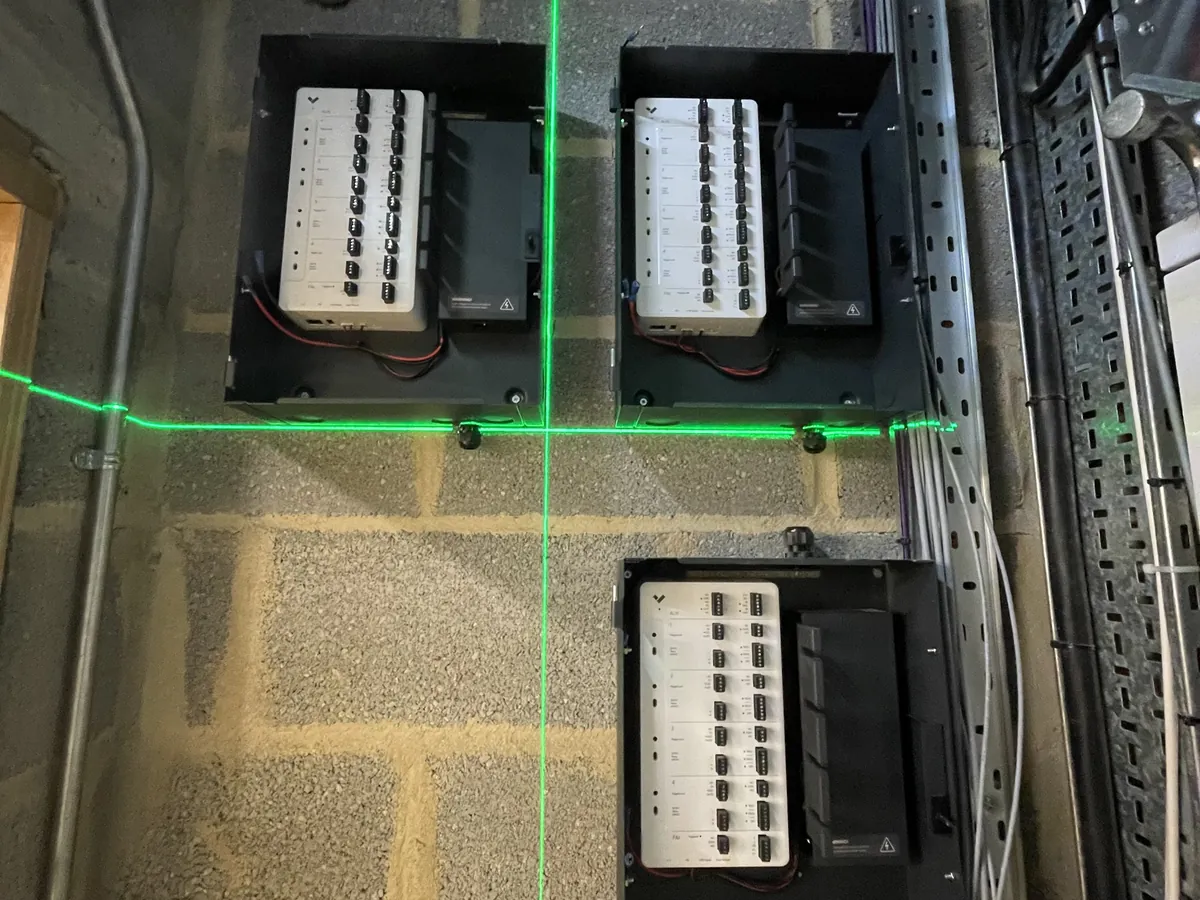
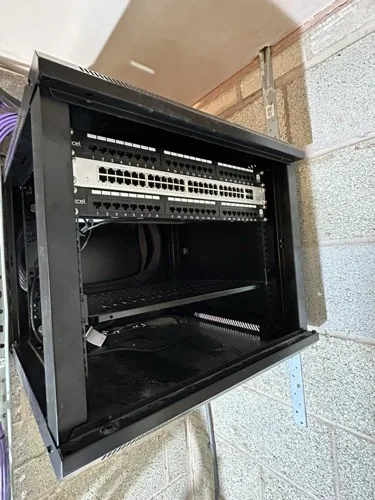
- Test and handover. Every cable link tested and the results handed over, cameras aimed, users set up, and your team shown how to search and export footage.
What we need from you
- Floor plans, even rough ones, or a few photos of each area.
- The areas you want covered and any problems you are trying to solve.
- Any premises licence CCTV conditions, and how long you want to keep footage.
- Who needs to see the footage, for example the general manager, duty managers and security.
- A contact for your IT or Wi-Fi provider, if the network is looked after by someone else. We work alongside them.
- Your timing: an opening date, a refurbishment or a quiet season to work in.
We know hotels
Our director Michael Simm has worked at Dallas Burston Polo Club, the country hotel and polo club near Southam in Warwickshire, since 2016, and SEG is its electrical and data contractor today, working alongside the hotel’s network provider. We have fitted cabling, comms cabinets and access points across the main hotel, suites, a pub and a clubhouse, worked around guests, and put a camera on an external door. That is the kind of site we design CCTV for: several buildings, guests always around, and back-of-house comms rooms that have to stay working. Read the hotel network case study and our electrical and data work for hotels.
Request a hotel CCTV survey
Questions we’re asked
Which CCTV system do you recommend for a hotel?
For most hotels we recommend Verkada. It has no recorder to fail, footage is searchable in plain words, and the manager can see every site from a browser or phone. Our group company SEGcore is a Verkada Gold Partner and designs and supports it; SEG's electricians and data engineers install the power and tested cabling.
Can I search for a person or a car without watching hours of footage?
Yes. Verkada lets you search by describing what you are looking for, such as a person in a red coat or a white van, and shows matching clips from across your cameras. It is the feature hotel managers use most when a guest, a delivery or an incident needs checking.
Can the cameras recognise faces?
We do not design hotel systems around face recognition. Recognising faces is biometric data under UK data protection law, and the ICO expects a clear and necessary reason, a data protection impact assessment and signage before it is used. Which AI features are available also depends on the camera model and licence. We design the system around people and vehicle search, alerts and clear footage, and we explain what is switched on and why before you decide.
Where is the footage stored, and for how long?
On the camera itself, so there is no recorder in a comms room to fill up or fail. Depending on the model, a camera keeps weeks to many months of footage on board. You decide how long to keep it and who can see it. Cloud backup is optional.
Do you need to cable the whole building?
Cameras are powered and connected by a single network cable. If your cabling is good enough, we reuse it. If not, SEG runs new tested Cat6 and gives you the test results. On estates with several buildings we also plan the links between them.
Can you work around guests?
Yes. We agree working hours and areas with you, protect floors and furniture, and fire-seal anything we pass through. Our work at a country hotel and polo club in Warwickshire was done suite by suite while the hotel stayed open.
Where are cameras not allowed in a hotel?
Never in guest bedrooms, bathrooms, toilets or changing areas. We cover entrances, reception, corridors, lifts and stairs, bars and restaurants, car parks, cash and stock rooms, plant and back-of-house doors. Clear signs go up wherever cameras film.
Does the hotel's premises licence affect the system?
It can. Many premises licences carry CCTV conditions, for example which areas must be covered and how long footage is kept. Send us the conditions and we will design to them.
Do you give a price before surveying?
We price from a survey, because hotels differ so much in size, cabling and layout. The written quote lists every camera and what it covers, and explains the ongoing licence before you commit.
What happens after the system is installed?
SEGcore supports the Verkada licences and system, and SEG can look after the power, cabling and any call-outs. We can include CCTV in a maintenance contract with the rest of the hotel's electrics.
Written by SEG. Last updated 3 November 2026. CCTV and AI camera systems are provided by SEG Core Ltd (SEGcore), a group company of The Specialist Electrical Group Ltd. General information, not legal advice.
Need it done by a date?
Tell us the deadline. We’ll tell you honestly whether we can hit it — and we usually can.