

- Home
- Doorbell not working
Doorbell not working? What to check
Wired, wireless or video: the quick checks for each, and when it needs an electrician.
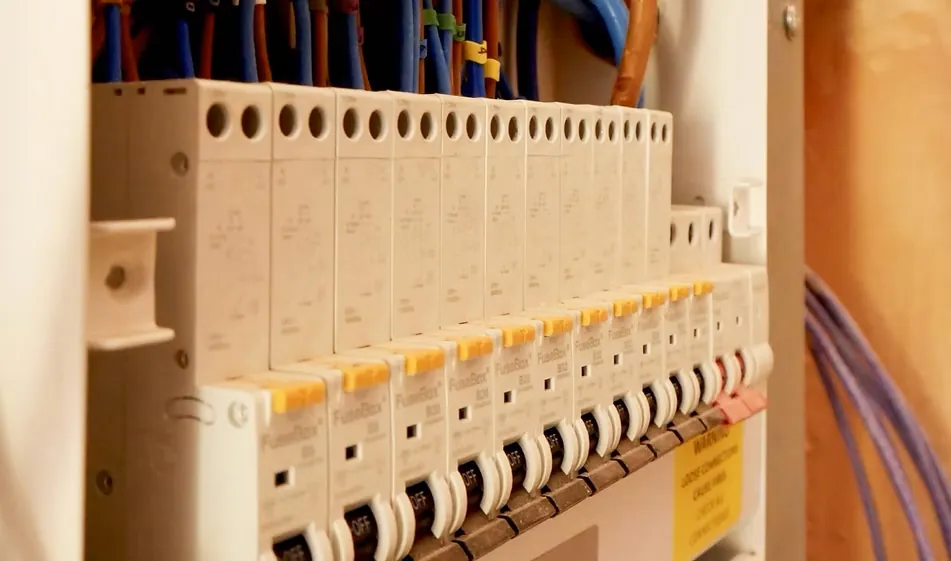
A doorbell that stops working is usually something simple: flat batteries, a loose wire at the push, or a transformer that has given up. Work out which kind you have first, because the checks are different.
First, what kind of doorbell is it?
| Type | How to tell | Most common fault |
|---|---|---|
| Wireless (battery) | No wires at the push; the chime plugs into a socket or takes batteries | Flat batteries in the push or chime, or out of range |
| Wired (transformer) | Thin bell wire from the push to a chime box, usually in the hall | Failed transformer, corroded push, loose wire |
| Video doorbell | A camera at the door and an app on your phone | Wi-Fi, battery, or not enough power from the old transformer |
Wired doorbell not working
- Check the chime. Some chimes also take batteries. Replace them if they do.
- Look at the push. Outside pushes get wet and corrode. Unscrew the cover and check both thin wires are held tight. Bell wire is low voltage, so this part is safe.
- Check the fuse board. The transformer is often a small unit on the fuse board itself or next to it, on a lighting or socket circuit. If a breaker has tripped, reset it once.
- Listen for a hum. A transformer that hums but gives no ring has usually failed and needs replacing.
Don’t open the fuse board or the transformer cover. The transformer is connected to the mains on one side. Replacing it is a quick job for an electrician.
Wireless doorbell not working
- Change the batteries in the push and the chime, even if one seems fine.
- Re-pair them: most have a button you hold on the chime, then press the bell push.
- Move the chime closer. Thick walls, metal doors and foil-backed insulation block the signal.
- Cold weather drains batteries faster, so many stop in the first cold snap.
Video doorbell not working
- Offline: usually Wi-Fi. The door is often the weakest signal spot in the house; see poor Wi-Fi signal.
- Keeps losing charge when wired: the old transformer may be too weak. Wired video doorbells such as Ring need 8 to 24 V AC; many old bell transformers give 8 V or less, so we often fit a new one.
- Old chime stopped ringing after fitting: some models need a small adaptor (a “pro power kit”) fitted in the chime.
When to call us
Call an electrician if the transformer needs replacing, if you want the doorbell moved, or if you’re fitting a video doorbell and want it wired properly with a new transformer. In blocks of flats the door entry system is a different thing: see door entry and access control.
We see these faults every week. Since summer 2025 our engineers have attended more than 2,700 repair call-outs in homes and flats across Herts, Beds, Bucks and London, around 630 of them for sockets and switches and over 900 for lighting.
Questions we’re asked
Why has my wired doorbell stopped working?
Most often the transformer has failed, the bell push has corroded, or a wire has come loose at the push or chime. Check the chime batteries and the push first; the transformer needs an electrician.
Where is my doorbell transformer?
Usually on or next to the fuse board, or near the meter. It is a small box with thin bell wires coming out of it. Don't open it: one side is connected to the mains.
Can I fit a video doorbell to my old doorbell wiring?
Often yes, but wired video doorbells need 8 to 24 V AC. Many older transformers are too weak, so the doorbell keeps losing charge. We fit a suitable transformer and test it.
Is a doorbell transformer replacement a big job?
No. It is usually under an hour, including isolating the circuit, fitting the new transformer and testing it.
Written by SEGplc. Last updated 1 November 2026.
Need it done by a date?
Tell us the deadline. We’ll tell you honestly whether we can hit it — and we usually can.