

- Home
- Church electrical services
Church electricians: inspection, heating, alarms and halls, worked around services.
From the five-yearly inspection to radiant heating for the nave, fire and CO alarms for the hall and Wi-Fi for the office, for churches, chapels and other places of worship in St Albans, Hertfordshire and London.
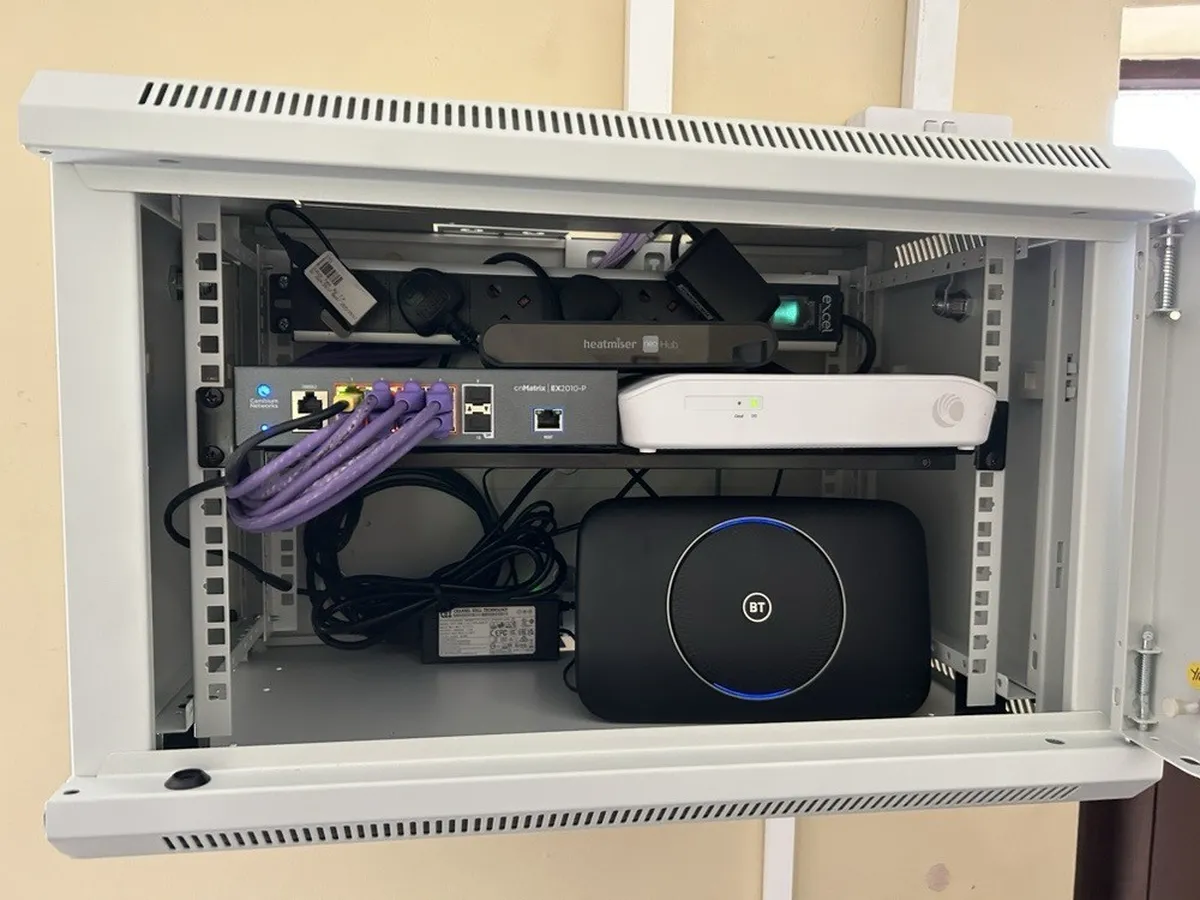
Churches, chapels, synagogues and meeting houses are some of the hardest buildings to look after electrically: tall, cold, often listed, used by volunteers, and let out to playgroups and clubs in the week. We look after the whole installation, from the five-yearly inspection to the heating that makes a 10 am service bearable in January, and we fit the work around services and bookings.
What we do for churches and places of worship
- Electrical inspection (EICR) of the church, hall and ancillary rooms, with a photographed report your treasurer and insurer can read, and the remedial work done by the same engineers.
- Emergency lighting: monthly and annual (three-hour) tests, logbook entries, replacement of failed fittings and new installations in halls and escape routes.
- Fire alarms to BS 5839-1 for halls and parish centres, or interlinked Aico smoke, heat and carbon monoxide alarms where a full panel system is more than the building needs.
- Heating: radiant and infrared heaters for the nave and chancel, with time and remote control so the building is warm for the service and off afterwards.
- Lighting: LED replacements for halogen and fluorescent fittings, dimming for services and concerts, uplighting of arches and roofs, and exterior and security lighting for car parks and paths.
- Data, Wi-Fi and streaming: cabling and Wi-Fi for the parish office, live-streamed services and card readers at the door, with a proper cabinet instead of a router on a shelf.
- CCTV, door entry and access control for halls and offices, so keyholders are not needed for every booking.
- PAT testing of the hall’s kettles, urns, heaters and hired equipment, plus consumer unit upgrades, sockets for the kitchen and EV charging in the car park.
Testing and the paperwork your insurer wants
Most church insurers expect the fixed wiring to be inspected at least every five years by a competent electrician, and some ask to see the report. A place of worship with a hall is also a workplace and a public building, so the Fire Safety Order 2005 applies: the responsible person (usually the parish council, trustees or wardens) must keep the fire alarm and emergency lighting maintained and tested, and keep a record.
| What | How often | What you get |
|---|---|---|
| Electrical inspection (EICR) | Every five years, or sooner if the last report said so | EICR with photos; remedials quoted and done by the same team |
| Emergency lighting | Monthly flick test (your side); annual three-hour test (ours) | Test certificate and logbook entries; failed fittings listed with prices |
| Fire alarm | Weekly call-point test (your side); six-monthly service (ours) | Service certificate; faults and recommendations in writing |
| Portable appliances | Usually yearly for a hall in regular use | Labelled items and a register for the lettings file |
At St Albans Synagogue on Oswald Road this year our EICR and three-hour emergency lighting test found seven emergency fittings that no longer lasted the full duration (two in toilets, two in the lobby and three in the hall); they were listed with a price, and a kitchen light and an outside junction box were put right on the day.
Heating a tall, stone building
Convector and underfloor heating struggle in a church because the warm air rises into the roof. Radiant heaters warm people and pews directly, so the building feels warm within minutes rather than hours and the heating can run only when the building is in use. At St Bartholomew’s in St Albans the under-performing electric underfloor system was replaced with BN Thermic radiant heaters on six timed switching periods, controlled remotely through Heatmiser, with the fuse boards upgraded, contactors fitted to switch the load and galvanised trunking shaped to sit against the architecture rather than across it. We size the supply first: a bank of radiant heaters is a large load, and some churches need a supply upgrade before they can be fitted.
Halls, kitchens and lettings
The hall is usually where the electrical risk sits: a kitchen on an old ring circuit, urns and heaters brought in by hirers, extension leads across floors and a consumer unit without RCD protection. We bring the hall up to the standard a lettings policy expects: RCD or RCBO protection, enough sockets in the right places, a cooker and water-heater circuit that match the appliances, interlinked alarms, emergency lighting on the exits and a PAT register for the equipment you own. Where a hall is let in the evenings, a keypad or fob entry system saves the wardens a trip for every booking.
Permissions, listed buildings and working around services
Most church buildings are listed, and Church of England churches also sit under the faculty system: like-for-like replacements may be allowed under List A or B, but rewiring, new heating and new lighting usually need advice from the Diocesan Advisory Committee and a faculty. We provide the drawings, specification and photographs the DAC asks for, route cables where they will not be seen, and use clips, trunking and fittings that suit the fabric. Other denominations and faiths have their own approval routes; the same principle applies. Work is timed around services, weddings, funerals and hall bookings, and the building is left usable at the end of each day.
Our church work
- St Bartholomew’s RC Church, St Albans: a new parish office with power and data, Wi-Fi for the church and hall with a wall-mounted cabinet, and a 17-unit Aico RadioLINK+ fire and carbon monoxide alarm system across the hall and ancillary rooms, fitted over two days between services.
- St Bartholomew’s radiant heating: the heating upgrade described above.
- St Albans Synagogue, Oswald Road: EICR, the three-hour emergency lighting test and same-day repairs in 2026, with certificates for the trustees. Earlier work there, led by Michael Simm before SEG, included emergency lighting, CCTV, heaters and EICR remedials.
Churches our director worked in before SEG
Before SEG, Michael Simm led the electrical work at these churches and chapels, and the lessons from those jobs are in how we work now:
- Holy Trinity Church, Leverstock Green (Hemel Hempstead): electrical inspection and advice on RCBO protection across the installation.
- St Peter’s Church: EICR, the remedial works it listed and a rewire of the lighting.
- St John’s Methodist Church: inspection and testing, then the EICR remedial works.
- Our Lady Queen of Apostles, Welwyn Garden City: electrical works in the church.
- Friends Meeting House, Hitchin and Guildford Baptist Church, Millmead: electrical works.
- Church of the Immaculate Conception, Farm Street, Mayfair: Lutron lighting control.
Church heaters and the supply they need are also covered on our industrial and commercial heating page. For a quote, send photos of the fuse boards, the hall and anything you are worried about through Bespoke my quote, or ring 01727 238 999.
Questions we’re asked
How often does a church need an electrical inspection?
Most insurers and diocesan guidance work to at least every five years, and a report can set a shorter interval if the installation is in poor condition. Halls in heavy use, or buildings with old rubber or lead-sheathed cable, are often inspected more frequently.
Do we need a faculty for electrical work?
In the Church of England, like-for-like replacement of fittings may fall under List A or List B, but rewiring, new heating, new lighting schemes and anything that affects the fabric usually needs DAC advice and a faculty. We prepare the drawings and specification for the application. Other denominations have their own approval routes.
Can you work around services and bookings?
Yes. We plan the work by area, keep the building usable each evening, and schedule noisy or dusty work for days without bookings. Alarm and heating changeovers are timed so nothing is out of action over a weekend.
Is radiant heating cheaper to run than underfloor heating in a church?
Usually, because it heats people and surfaces rather than the air in the roof, and it only runs when the building is in use. Running cost depends on the heater sizes, the hours and your tariff; we give the figures with the quote.
Can you test the emergency lighting and fire alarm as well as the wiring?
Yes. We carry out the annual three-hour emergency lighting test, six-monthly fire alarm servicing and PAT testing of hall equipment, and can combine them into one visit with the inspection so there is a single set of certificates for the file.
Do you work with listed buildings?
Yes. Most of the churches we work in are listed. Cables are routed out of sight, fixings are chosen to avoid damage to stone and timber, and we document the work with photographs for the DAC or conservation officer.
Written by SEGplc. Last updated 1 November 2026.
Need it done by a date?
Tell us the deadline. We’ll tell you honestly whether we can hit it — and we usually can.