

- Home
- School maintenance
School electrical maintenance, under one contract.
Testing, fire alarms, emergency lighting, security, networks and lockdown alerts for schools across Hertfordshire, planned around the school day.
Upload it and we will see if we can beat it on price or cover. If we can’t, we will tell you. It takes about five minutes.
One contract for the whole school
Most schools juggle separate contractors for electrical testing, fire alarms, emergency lighting, CCTV, the network and the intruder alarm, each with its own visits, paperwork and renewal date. SEG and its sister companies can cover all of it:
- Fixed wire testing (EICR), remedial work and reactive call-outs
- PAT testing
- Emergency lighting testing and upgrades
- Fire alarm servicing, upgrades and new systems
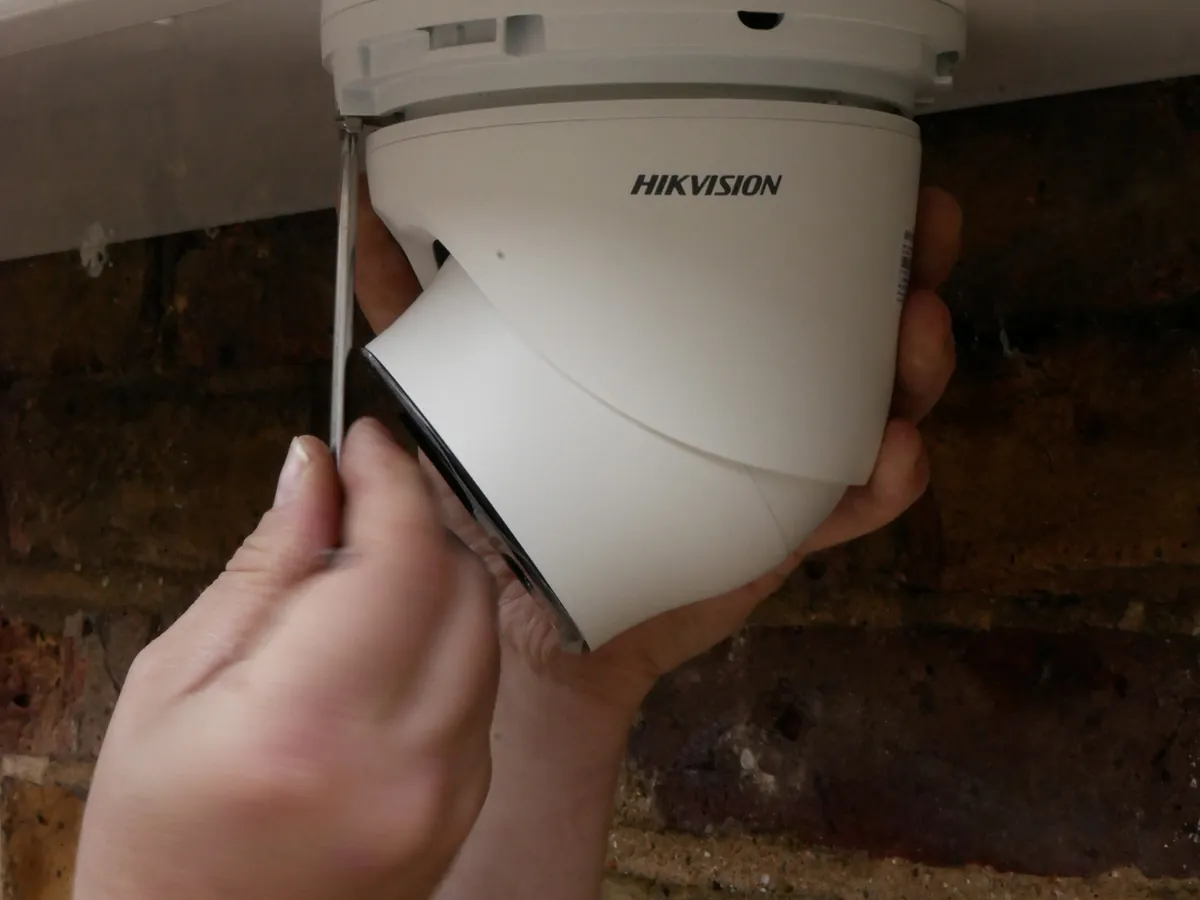
- CCTV, access control and door entry, and intruder alarms
- Data networks and Wi-Fi
- School bells and PA
- Vape detectors for toilets and changing areas
- Lockdown and invacuation alerts
The testing schedule at a glance
DfE’s Good estate management for schools guidance expects testing to be risk-based and carried out by competent people. Where its suggestions and the British Standards differ, we show both and work to whichever your insurer and fire risk assessment require.
| System | What is expected | Guidance |
|---|---|---|
| Fixed wiring (EICR) | Risk-based; typically up to every 5 years, more often for pools and other high-risk areas | DfE GEMS; BS 7671 |
| Portable equipment (PAT) | Risk-based; a user check and visual inspection may be enough for some items | DfE GEMS; HSE |
| Fire alarm | Weekly test by the school; servicing by a competent person at least every 6 months | BS 5839-1:2025; DfE GEMS |
| Emergency lighting | Monthly function test; annual full-duration test (DfE suggests a 3-hour test every 6 months) | BS 5266-1:2025; DfE GEMS |
| Intruder alarm | Typically serviced twice a year for police-response systems | PD 6662; NPCC policy |
| Access control and door release | Doors on escape routes must release on fire alarm and power loss; test the release | BS 7273-4 |
| CCTV | Keep it working and reviewed; a DPIA, clear signs and set retention periods | ICO guidance |
| Lockdown and invacuation | Have procedures and a way to alert staff; practise them | DfE school and college security |
Security, safeguarding and Martyn’s Law
Lockdown. DfE’s school and college security guidance asks schools to plan for lockdown and shelter, and to consider dynamic lockdown procedures. A lockdown alert system lets any member of staff raise the alarm to every classroom at once.
Martyn’s Law. Under the Terrorism (Protection of Premises) Act 2025, schools where 200 or more people may be present are standard duty premises. The duties are not yet in force: the government has said there will be an implementation period of at least 24 months. It makes sense to have procedures and alerting in place well before then.
Vaping. The Tobacco and Vapes Act 2026 received Royal Assent in April 2026. Vape detectors are sensors, not cameras: they alert staff to vaping in toilets without recording images, which matters because the ICO says cameras in school toilets are unlikely to be proportionate in most circumstances.
CCTV and data protection. The ICO expects a data protection impact assessment before installing video surveillance, clear signs, and footage kept no longer than needed. See our guide to choosing a CCTV system.
Why one contractor works better
- One schedule: visits planned around the school day, with disruptive work moved to half-terms and holidays
- One set of records: certificates, test logs and defects in one place, ready for governors, insurers and inspections
- One number when something goes wrong, with employed, NICEIC-registered engineers
- Joined-up systems: fire alarm, door release and lockdown designed and tested together
School maintenance questions we’re asked
What electrical testing does a school need?
At minimum: periodic inspection of the fixed wiring (an EICR), inspection and testing of portable equipment, a weekly fire alarm test with regular servicing, and monthly and annual emergency lighting tests. DfE’s Good estate management for schools guidance says these should be risk-based and carried out by competent people.
How often should a school have an EICR?
The regulations do not set a fixed interval for schools; DfE says inspections should be based on risk. Up to five years is the interval typically recommended for educational buildings, with higher-risk areas such as swimming pools checked more often.
Can one contractor cover electrical, fire, security and IT?
Yes. One SEG contract can cover electrical testing and repairs, PAT testing, emergency lighting, fire alarms, CCTV, access control and door entry, intruder alarms, data networks and Wi-Fi, bells and PA, vape detectors and lockdown alerts, with one schedule and one set of records.
Can you do the work outside school hours?
Yes. We plan testing and disruptive work around the school day, and can schedule larger jobs for half-terms and holidays.
Does Martyn’s Law apply to schools?
Schools where 200 or more people may be present are covered as standard duty premises under the Terrorism (Protection of Premises) Act 2025, which means having procedures such as lockdown and evacuation. As of October 2026 those duties are not yet in force, and the government has said there will be an implementation period of at least 24 months.
Can we put CCTV in toilets to stop vaping?
The ICO says cameras in school toilets are unlikely to be proportionate in most circumstances. Vape detectors are sensors, not cameras, so they can alert staff without recording images.
Sources
- DfE, Good estate management for schools: health and safety (updated 20 July 2026)
- DfE, School and college security (updated 3 July 2026)
- legislation.gov.uk, Terrorism (Protection of Premises) Act 2025, Schedule 1 and section 2
- legislation.gov.uk, Tobacco and Vapes Act 2026
- Fire Industry Association, Maintaining your fire alarm system
- NSI, Publication of BS 5266-1:2025
- ICO, Guidance on video surveillance
- BSI, BS 7273-4
Written by SEG. Last updated 11 October 2026.
Need it done by a date?
Tell us the deadline. We’ll tell you honestly whether we can hit it — and we usually can.