

- Home
- How much does an EICR cost?
How much does an EICR cost?
Our EICR prices by property size, how long the test takes, what happens on the day, and who legally needs one, including selling a house and commercial property.
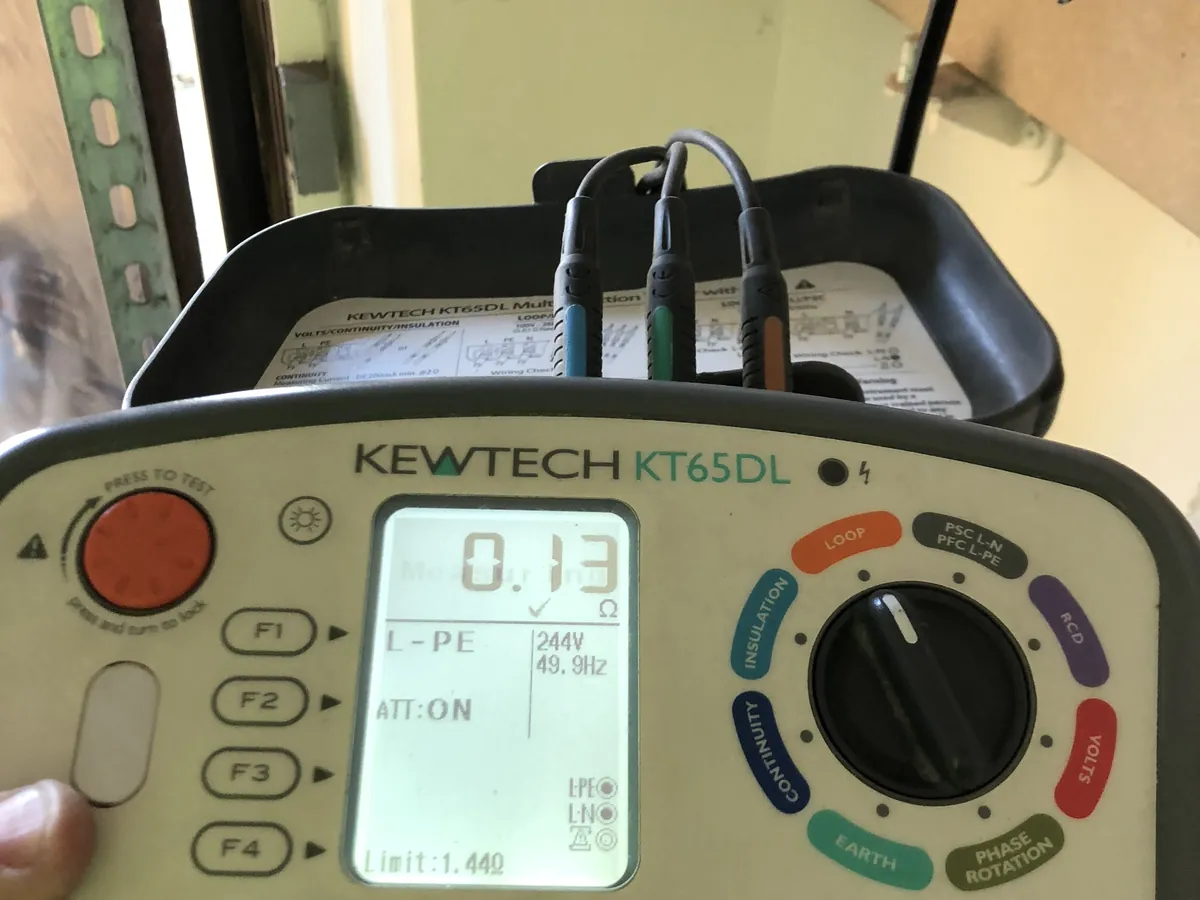
An Electrical Installation Condition Report (EICR) is a full inspection and test of a property’s wiring. Here is what one costs with SEGplc, how long it takes, what happens on the day, and who legally needs one.
Are you a landlord? Here are our EICR prices
Fixed prices by property size, covering up to 10 circuits on one consumer unit.
| Property | Landlord price |
|---|---|
| Studio or 1-bed flat | £130 + VAT |
| 2-bed flat or house | £155 + VAT |
| 3-bed house | £180 + VAT |
| 4-bed house | £215 + VAT |
| 5+ bed or large house | from £265 + VAT |
| HMO (up to 6 lettable rooms) | from £290 + VAT |
| Several properties or a portfolio | Ask for a portfolio price |
Included: inspection and testing of up to 10 circuits on one consumer unit, and your written Electrical Installation Condition Report, emailed to you and your letting agent.
Prices are plus VAT at 20% and subject to survey. Each extra circuit over 10: £25 + VAT. Each extra consumer unit or distribution board: £40 + VAT, plus £25 + VAT for each circuit on it. Outbuildings and any remedial work found are quoted separately, and we confirm the price before booking.
How long does an EICR take?
| Property | Typical time on site |
|---|---|
| Studio or 1-bed flat | Around 2 hours |
| 2-bed flat or house | 2 to 3 hours |
| 3-bed house | 3 to 4 hours |
| 4-bed or larger house | Half a day or more |
| HMO or property with several boards | Most of a day |
It depends mostly on the number of circuits and how easy the board and fittings are to reach. The power is off for parts of the visit, so tell us about anything that needs to stay on, such as medical equipment or a freezer full of food.
What happens during an EICR
- Visual inspection of the fuse board, cables, sockets, switches and fittings, opening a sample of them.
- Dead tests with the power off: continuity of protective conductors and ring circuits, insulation resistance, and polarity.
- Live tests: earth fault loop impedance and RCD trip times.
- The report: the condition of the installation, every problem coded, and a satisfactory or unsatisfactory result, emailed to you (and your letting agent if you’re a landlord).
Who legally needs an EICR?
| Who | Requirement |
|---|---|
| Private landlords (England) | Satisfactory EICR at least every 5 years; copy to tenants; remedials within 28 days |
| Social landlords (England) | The same duty now applies to social rented homes |
| Businesses and employers | Electricity at Work Regulations 1989: keep the installation safe; an EICR is the usual evidence |
| Homeowners | Not required by law; recommended every 10 years and when you buy |
See electricians for landlords and commercial electrical testing for more.
Do I need an EICR to sell my house?
There is no legal requirement. In practice, buyers’ solicitors ask for certificates for electrical work done since 2005 (when Part P came in), and some buyers ask for an EICR, especially for older homes. A recent satisfactory report answers those questions before they slow the sale down. If the report finds problems, you can fix them on your terms, rather than in a last-minute renegotiation.
Who is responsible for an EICR on a commercial property?
The person who controls the installation. Under a full repairing lease that is usually the tenant for their unit; the landlord is usually responsible for common parts, shared supplies and anything the lease keeps with them. Employers have their own duty under the Electricity at Work Regulations 1989 whatever the lease says. If the lease is unclear, agree it in writing so the testing actually happens.
Results: what the codes mean
| Code | Meaning | What happens |
|---|---|---|
| C1 | Danger present | Made safe straight away |
| C2 | Potentially dangerous | Fix urgently; the report is unsatisfactory |
| FI | Further investigation needed | Investigate before the report can be finalised |
| C3 | Improvement recommended | Not urgent, but worth planning |
If your report is unsatisfactory, we quote for the remedial work and issue a certificate once it is done. Widespread problems with the cables themselves can point to a rewire; see does my house need rewiring?
EICR questions we’re asked
How much does an EICR cost?
With SEGplc, a landlord EICR on a 1-bed flat is £130 + VAT and a 3-bed house £180 + VAT, covering up to 10 circuits on one consumer unit. Homeowners pay the same prices including VAT: £156 for a 1-bed flat and £216 for a 3-bed house. Extra circuits are £25 + VAT each. All prices are subject to survey.
How long does an EICR take?
A 1-bed flat usually takes around two hours and a typical 3-bed house around three to four hours. Larger houses, HMOs and properties with more than one board take longer. The power is off for parts of the visit.
Is an EICR a legal requirement?
For landlords in England, yes: private and social rented homes need a satisfactory EICR at least every five years, with copies given to tenants. For homeowners it is not a legal requirement, but it is recommended every 10 years and when you buy a home. Businesses must keep their electrics safe under the Electricity at Work Regulations 1989, and an EICR is the usual way to show it.
Do I need an EICR to sell my house?
No, there is no legal requirement to have one to sell. But buyers’ solicitors often ask for certificates for any electrical work done since 2005, and a buyer may ask for an EICR. A recent satisfactory report can avoid delays and price renegotiation.
Who is responsible for an EICR on a commercial property?
Whoever controls the electrical installation. That is often the tenant under a full repairing lease, and the landlord for common parts and shared supplies, but it depends on your lease. Employers also have their own duty under the Electricity at Work Regulations 1989. Check your lease, and if in doubt, agree it in writing.
What happens if my EICR is unsatisfactory?
The report lists each problem with a code. C1 means danger present and is made safe straight away; C2 is potentially dangerous and needs fixing urgently; FI means further investigation. Landlords must complete the remedial work within 28 days, or sooner if the report says so, and keep written confirmation. We quote for remedials before we do them.
What does an EICR involve?
An engineer inspects the fuse board, wiring, sockets, switches and fittings, opens a sample of them, and tests every circuit: continuity, insulation resistance, polarity, earth fault loop impedance and RCD operation. You get a written report of the condition, with any problems coded.
Sources
- GOV.UK, Electrical safety standards in the private and social rented sectors: guidance
- legislation.gov.uk, The Electricity at Work Regulations 1989
Written by SEGplc. Last updated 19 October 2026.
Need it done by a date?
Tell us the deadline. We’ll tell you honestly whether we can hit it — and we usually can.