

- Home
- Can your existing electrics cope with modern demand?
Old wiring, new technology: can your electrics cope?
Homes and businesses now ask far more of their electrics than they were designed for. Here is how to tell whether yours can keep up.
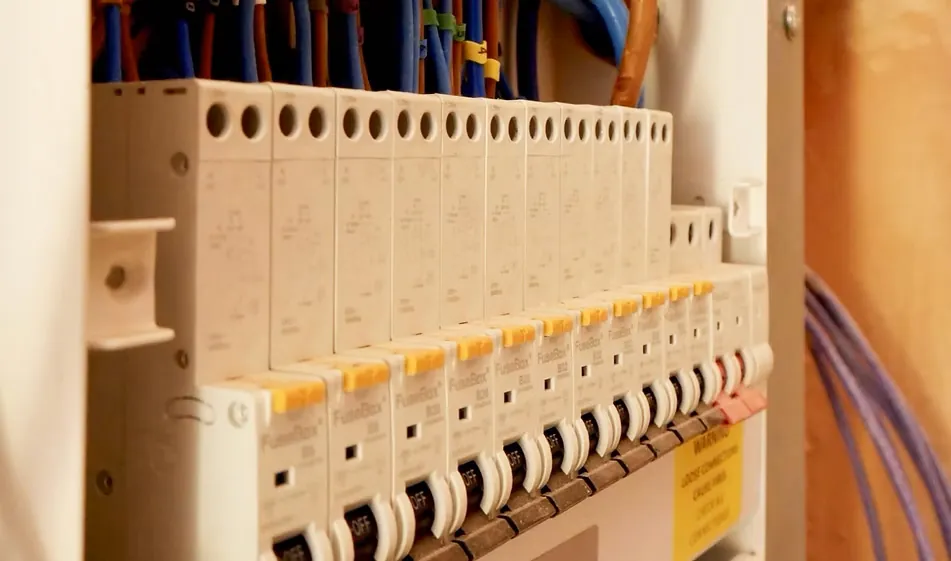
The way we use electricity has changed dramatically.
Homes now need to support everything from high-powered kitchen appliances and home offices to EV chargers, heat pumps, and smart technology. Commercial buildings face even greater pressure, with growing demand from IT systems, security equipment, air conditioning, EV charging, and increasingly sophisticated electrical infrastructure.
The problem is that many properties were never designed for this level of demand.
Older wiring can keep working for years without obvious issues, but that doesn't necessarily mean the electrical installation is suited to modern use.
So, how do you know whether your existing electrics can cope — and when is it time to consider an upgrade?
Why Modern Properties Use More Electricity
Electrical demand has increased gradually, so many property owners don't notice how much has changed.
A typical modern home may now include multiple televisions, laptops, game consoles, induction cooking, tumble dryers, smart devices and home-working equipment. Add an EV charger or solar PV system and the electrical installation may be expected to do considerably more than it did when the property was first wired.
The same is true in commercial buildings.
Offices, warehouses, schools and managed residential developments may now require:
- Large numbers of computers and servers
- CCTV and access control systems
- Data infrastructure
- Emergency lighting
- Air conditioning
- Specialist equipment
- EV charging
- Solar PV
- Additional distribution boards
- Higher-capacity mains and sub-mains
SEG provides electrical installation and maintenance services across domestic, commercial and managed-property environments, including rewiring, testing, EV charging, solar PV, mains and sub-mains, CCTV, access control and data cabling.
Does Old Wiring Automatically Need Replacing?
Not necessarily.
The age of an electrical installation alone does not tell you whether it is unsafe or inadequate. Some older systems may still be in reasonable condition, while newer installations can develop faults or become unsuitable as building use changes.
The key question is whether the installation remains safe, compliant, and appropriate for current demand.
A professional inspection can assess factors such as the condition of the wiring, protective devices, earthing, distribution equipment and overall capacity.
This is where an Electrical Installation Condition Report, or EICR, can be particularly useful.
Warning Signs Your Electrical System May Be Struggling
Electrical problems are not always dramatic.
Often, the first signs are relatively subtle.
You may notice:
- Circuit breakers or RCDs tripping regularly
- Flickering or dimming lights
- Warm sockets or switches
- Buzzing or crackling sounds
- A shortage of sockets and heavy reliance on extension leads
- Older-style fuse boxes
- Electrical equipment behaving unpredictably
- Problems when several high-demand appliances are used at the same time
These symptoms don't always mean the entire property needs rewiring, but you shouldn't ignore them.
Fault finding can help determine whether the problem is localised or part of a wider capacity or installation issue.
Are You Relying Too Heavily on Extension Leads?
One of the clearest signs that an electrical installation no longer suits the way a building is used is the constant use of extension leads and multi-way adaptors.
In older homes and offices, there may not be enough sockets in the right places.
Over time, more devices are added without upgrading the fixed electrical system to match.
Rather than continually adding temporary extensions, it may be safer and more practical to install additional circuits or sockets designed for the actual electrical load.
Can Your Electrics Support an EV Charger?
Installing an EV charger is not always as simple as attaching a unit to the wall.
The existing electrical supply needs to be assessed to make sure it can accommodate the additional demand.
Depending on the property, this may involve checking supply capacity, consumer-unit or distribution-board suitability, earthing and whether load management is required.
For commercial premises with several chargers, these considerations become even more important.
SEG provides EV charger installation alongside broader electrical infrastructure work, so it can assess whether the existing installation needs upgrading as part of the project.
What About Solar Panels?
Solar PV systems introduce a different set of electrical considerations.
The existing installation must be compatible with the generation equipment, and appropriate protection, isolation, and distribution arrangements must be in place.
For businesses and homeowners considering both solar PV and EV charging, it can make sense to look at the electrical system as a whole rather than installing each technology in isolation.
Planning may help avoid unnecessary duplication and ensure the infrastructure is ready for future additions.
Commercial Buildings Can Outgrow Their Electrical Infrastructure
For businesses, electrical demand often increases gradually.
An office may add more desks and IT equipment. A warehouse may install additional machinery. A school may expand its technology infrastructure. A commercial landlord may need to support new tenant requirements.
Eventually, the original electrical installation may no longer suit the building’s current use.
This does not always require a complete rewire.
Possible solutions might include:
- New circuits
- Distribution board upgrades
- Mains or sub-mains upgrades
- Additional containment
- Improved data cabling
- EV charging infrastructure
- Replacement protective devices
- Planned rewiring of selected areas
SEG offers mains and sub-mains installation alongside wider commercial electrical services, helping properties increase capacity where required.
When Is Rewiring the Better Option?
Sometimes upgrading individual elements is no longer practical.
If wiring is significantly deteriorated, unsuitable or repeatedly causing issues, a partial or full rewire may offer a more reliable long-term answer.
Rewiring can also provide an opportunity to redesign the electrical installation around modern living or working requirements.
That might mean adding more sockets, improving circuit distribution, preparing for smart technology or ensuring the property is ready for future electrical demand.
A professional assessment matters because rewiring should be based on the installation's condition and suitability, not age alone.
Think About Future Demand, Not Just Today
One of the biggest mistakes when upgrading electrics is planning only for the immediate requirement.
If you are refurbishing a property, consider what additional technology you may introduce over the next few years.
Will you install an EV charger?
Could solar PV be added?
Will the business expand?
Are more security systems or data points likely to be required?
Designing electrical infrastructure with future capacity in mind can be far more efficient than repeatedly modifying the installation later.
Why Electrical Testing Matters
Visual appearance tells you very little about the condition of wiring hidden behind walls, ceilings and floors.
Electrical testing can identify deterioration, inadequate protection and other issues that may not be obvious during everyday use.
For businesses, landlords and managed properties, testing can also form an important part of ongoing compliance and maintenance.
SEG provides testing and inspection alongside electrical installation, repairs and upgrade work across Hertfordshire, London and the surrounding areas.
Make Sure Your Electrics Are Ready for Modern Life
Older electrical systems were designed around the technology available at the time.
Today, homes and businesses expect much more.
That doesn't mean every older property needs a complete rewire, but it does mean you should take electrical capacity, condition, and future demand seriously.
If your circuits regularly trip, you rely heavily on extension leads, or you are planning an EV charger, solar installation, commercial refurbishment, or technology upgrade, it is worth having the existing electrical system assessed first.
SEG provides professional electrical services, including testing, rewiring, mains and sub-mains, EV charging, solar PV, CCTV, access control, data cabling, and wider domestic and commercial installations.
Speak to SEG about your current electrical installation and future requirements. The right upgrade can help ensure your property isn't just coping with today’s demand, but is ready for what comes next.
Need it done by a date?
Tell us the deadline. We’ll tell you honestly whether we can hit it — and we usually can.