

- Home
- Hire your own electrician
Renovating? Hire your own electrician, not the builder’s.
What we see every week: the builder manages the electrics, someone signs it off at the end, and we are called in later. Here is how to avoid it.
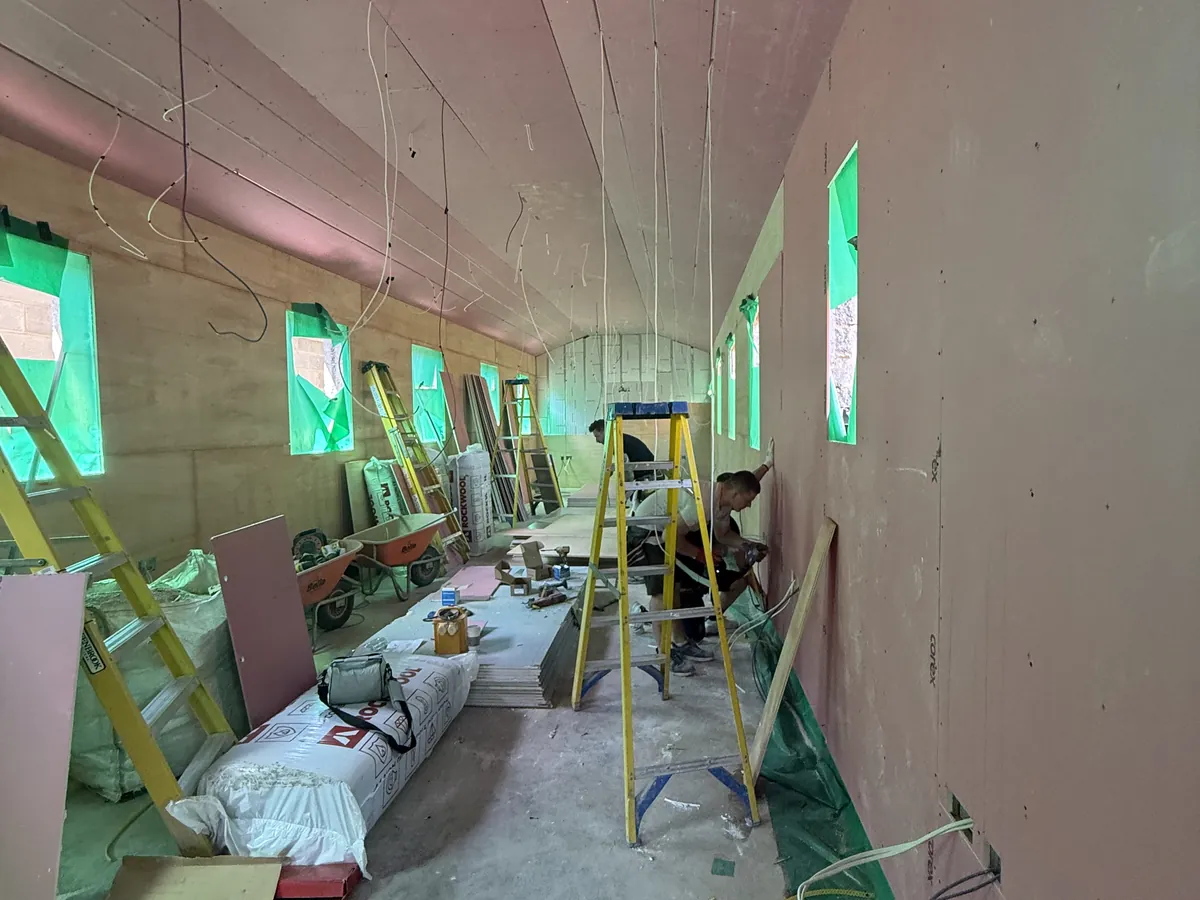
If you are having an extension, a loft conversion or a house built, the builder will almost certainly offer to “sort the electrics”. It sounds convenient: one contract, one person to chase. Our advice, from years of being called in afterwards, is simple. Appoint your own electrical company and tell them what you want. Do not go through the builder.
What we keep seeing
We are regularly called to homes where the builder has managed the electrician, and the “electrician” has turned out to be the builder’s own team doing the wiring. Then, at the end of the job, the certificate is arranged through someone the builder knows, often for a small fee, who was not there while the cables went in.
We usually get the call when the builder is off site, has moved on to the next job, or the customer has fallen out with them at the end of the project. By then the plaster is on, the kitchen is in and the money has largely been paid. That is the worst moment to discover what is behind the walls.
Why it happens
It is not usually malice. It is how the money and the programme work.
- The builder is selling a package. Electrics become an extra line in the price, and the margin on it depends on how cheaply it is done.
- The builder is not the one signing it off. Whoever puts their name on the certificate carries the responsibility. If that is a third party who did not do the work, nobody on site has the same reason to get it right.
- The programme squeezes it. Electrics sit between the carpenter, plumber and plasterer. When time runs short, the checks and the tidy-up are what get cut.
- You are one step removed. If you tell the builder what you want and the builder tells the electrician, details are lost on the way: socket positions, lighting circuits, an EV charger, data points, a spare way for the future.
What we find when we are called in
These are the kinds of issues we are asked to put right on jobs where the electrics were arranged through the builder. They are patterns, not a claim about any one firm or builder:
- Circuits that are not labelled, or a consumer unit with no schedule showing what is what.
- Cables run where they should not be, or without the protection they need.
- Fewer sockets and lights than the customer asked for, or in the wrong places, found only when the furniture arrives.
- Missing or incomplete test results, or a certificate that does not match the work actually installed.
- Smoke and heat alarms that are missing, not interlinked or not where the regulations expect them.
- Work that has been finished and boarded over before anyone has inspected it.
Opening up a finished room to correct any of this costs far more than getting it right first time.
Why it bites later
- Safety. Electrical faults are quiet until they are not. A poorly installed circuit can overheat for years.
- Selling. A buyer’s solicitor will ask for the Building Regulations completion certificate and electrical certificates for the extension. Gaps hold sales up.
- Insurance and mortgage. If something goes wrong, an insurer may ask what certification exists.
- Cost. Putting it right after decoration usually means chasing out plaster, lifting floors and redoing finishes.
What to do instead
- Appoint your own electrical company before the build starts. Send them the drawings and ask for a written quote.
- Tell the electrician what you want, not the builder. Sockets, lighting, heating controls, EV charging, data, outdoor power, and what you may want later.
- Check their registration. Ask which competent person scheme (such as NICEIC or NAPIT), then look them up on the scheme’s own register. Ask for proof of insurance.
- Get the scope in writing. What is included, what is not, who notifies Building Regulations, and which certificates you will receive.
- Let them agree the programme with the builder. First fix before the walls are boarded, second fix after plastering, testing before handover.
- Ask to see it before it is hidden. A short visit or photographs at first fix is a cheap check.
- Keep the paperwork. The Electrical Installation Certificate, test results and the Building Regulations completion certificate belong in your house file.
Yes, it is a little more management for you. In our experience a good builder will be glad to work with your electrician, because it takes a trade off their programme and their liability. You also keep control of the quality of the one part of the house you cannot see.
Choosing the builder and the electrical company
Ask any builder up front whether you can appoint your own electrician, and how they coordinate with other trades. Then use the same checks on the electrical firm that you would on anyone: registration on the scheme’s own register, insurance, a written quote, the certificates you will receive, and who will actually turn up. Our 10-check guide sets them out, and applies to us as much as anyone.
10 tips for a successful renovation
- Plan the electrics before the builder starts. Once walls are boarded and floors are down, changes cost far more.
- Walk every room with a plan. Mark sockets, switches, lights, TV and data points, outside power and EV charging before first fix.
- Get a separate electrical quote. A builder’s single price often hides the cheapest possible electrics.
- Check the registration yourself. Search the electrician’s name on the NICEIC or other scheme website, not just a logo on a van.
- Make sure the work is notified. New circuits, consumer units and work in bathrooms are notifiable under Part P. Your electrician’s scheme notifies it and you receive a Building Regulations compliance certificate.
- Check the fuse board can cope. Kitchens, extensions, heat pumps and EV chargers add load. Ask whether the consumer unit and supply need upgrading.
- Think about the future. Spare capacity and cable routes for an EV charger, solar panels or battery are cheap now and expensive later.
- Agree who does what. Your electrician and builder should agree first-fix dates so cables go in before plastering, not chased out afterwards.
- Ask for photos at first fix. A photo of where cables run behind the plaster saves drilling into them later.
- Get the certificates before the final payment. An Electrical Installation Certificate, the test results and the Building Regulations certificate. You will need them when you sell.
The cheap choice that turns out the most expensive
The builder’s electrics often look cheapest on paper. The bill comes later:
- Selling the house: missing certificates or un-notified work hold up the sale, and buyers’ surveyors and solicitors ask for them.
- Insurance: an insurer can query a claim where electrical work was not certified.
- Putting it right: fixing faults after the kitchen is fitted and the walls are decorated means cutting into finished plaster and decorating twice.
- Paying twice: you pay for the original work, then again for an inspection and the remedial work.
Doing it properly first time is almost always cheaper. Hiring your own electrician means they work for you, and the certificate has their name on it.
Questions to ask any builder about the electrics
- Who is doing the electrical work, and are they employed by you or subcontracted?
- Which scheme are they registered with, and will the work be notified under Part P?
- Will I get an Electrical Installation Certificate with test results, in my name?
- Is the electrical work priced separately, and what exactly is included?
- Has anyone checked whether the fuse board and supply can take the extra load?
Questions people ask
Does electrical work on an extension have to be certified?
In England, yes. New circuits and a replacement consumer unit are notifiable under Building Regulations (Part P). The work must either be done and certified by an electrician registered with a competent person scheme, or be notified to building control in advance and inspected. You should also receive an Electrical Installation Certificate showing the circuits were inspected and tested.
Can the builder’s friend or a local electrician sign off the work at the end?
Only someone who is competent to do so, and who has actually inspected and tested the work, should sign a certificate. A signature from someone who did not install or properly verify the circuits is not evidence that the installation is safe, and it may not satisfy building control, your insurer or a buyer’s solicitor. If in doubt, ask for their scheme registration and check it on the scheme’s own online register.
Is it always wrong to use the builder’s electrician?
No. Many builders work with excellent, properly registered electricians. The point is that you should know who the electrician is, what they are registered with, what is included in the price and who will sign the certificate, and the easiest way to know all of that is to appoint them yourself.
When should I bring an electrician in on an extension?
Before the build starts if you can, and certainly before the walls are boarded. Layout is far cheaper to settle on paper than in finished plaster. The electrician agrees first fix, second fix and testing dates with the builder so the programme is not held up.
What if the builder has already done the electrics?
Ask who did the work and for the certificates. If anything is missing, or you are not sure, have an independent inspection and test (an EICR) carried out before the work is hidden or the final payment is made. Finding a fault now is cheaper than finding it after decoration or at sale.
Last updated 3 October 2026. Written by The Specialist Electrical Group Ltd (SEG), St Albans. Guidance is general, refers to England, and is not legal advice. Check current Building Regulations with your local authority.
Need it done by a date?
Tell us the deadline. We’ll tell you honestly whether we can hit it — and we usually can.